


Yeast Extract
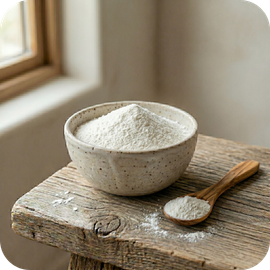
Yeast extract is a natural ingredient obtained by processing the yeast we use in bread making (Saccharomyces cerevisiae) under controlled conditions. During production, yeast cells are broken down by their own natural enzymes (autolysis), and then the cell walls are separated to concentrate the natural flavor-giving components. This process relies on fermentation and enzymatic processes; it is not artificial aroma production.
Its name may sound technical; however, it actually contains natural components that provide the "rich, full-bodied flavor" sensation found in long-simmered meat broth, mushrooms, parmesan cheese, or tomatoes in the kitchen.
The main reason we use yeast extract in our products is to make the flavor richer and more balanced. Thanks to the natural amino acids and nucleotides it contains, it supports the fifth taste known as umami. In this way, spices, legumes, and other aromas become more distinct.
Yeast extract is not a flavoring agent or an artificial flavor enhancer. It is obtained from the natural components of yeast found in bread, beer, and many fermented foods. Therefore, it is used worldwide in many foods ranging from soups to sauces, snacks to plant-based products.
In short, we do not use yeast extract to create a more intense or artificial taste; we use it to bring out the inherent flavors of the natural raw materials we use.
References
1- Kutz, M. (2007). Handbook of Farm, Dairy and Food Machinery Engineering.
2- Nagodawithana, T.W. (1992). Yeast Technology.