How Are Your Favorite Crunchy Snacks Made? What Is Extrusion Technology?
17 June 2026
Why Fiber and Protein Matter: Satiety, Energy Balance, and Healthy Snacking
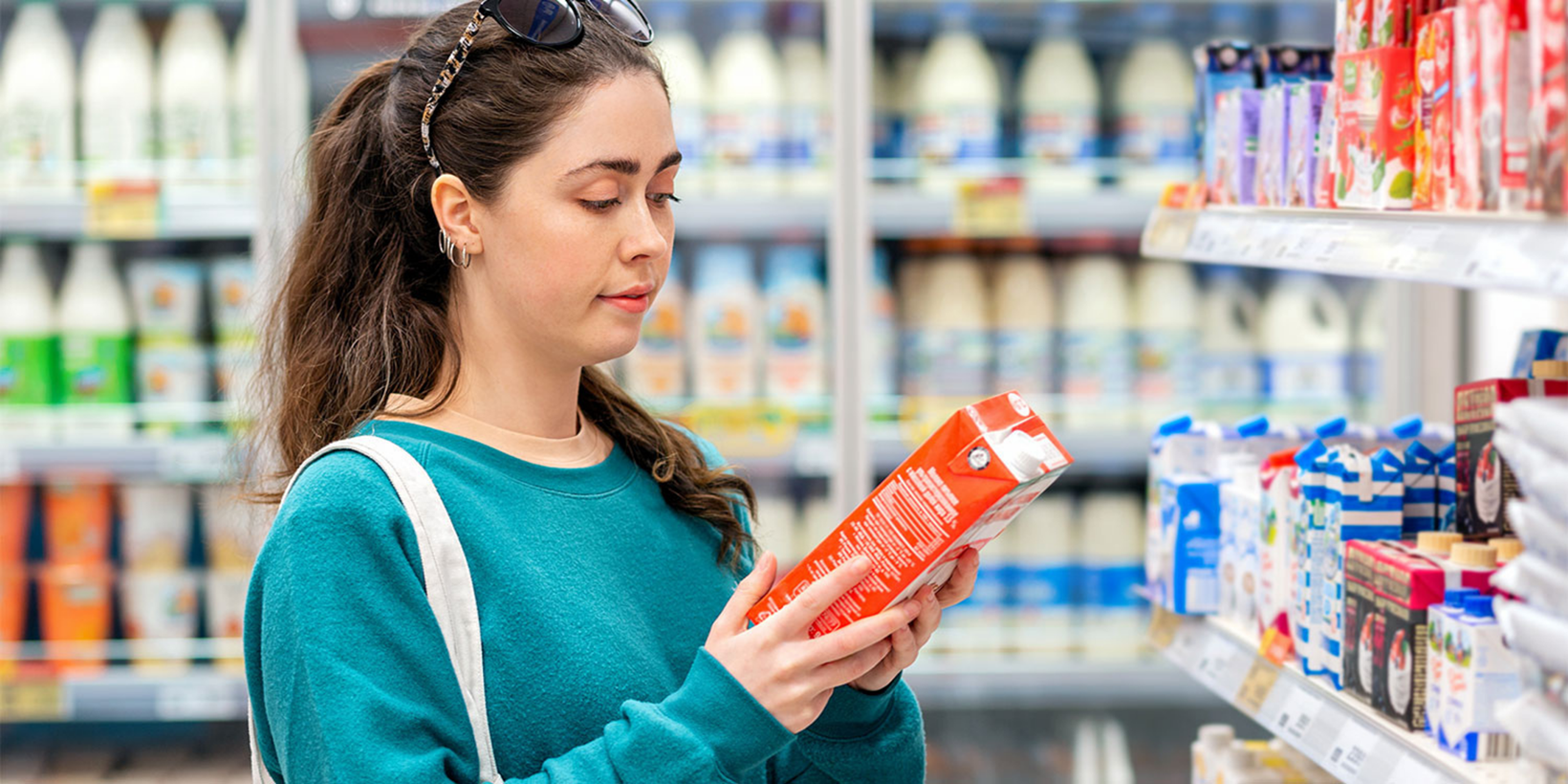
3 July 2026When walking through grocery aisles, we are hit by a literal storm of words: "Natural," "Fit," "Light," or "Organic"... The biggest shopping weakness for most of us is confidently tossing packages into our cart just because we see these magical words on the front. Packaging designs and those comforting promises are absolute professionals at enticing us. However, the true story of a food item is not on the front of the packaging; it is hidden on the back of the pack, in that ingredients list that requires true label literacy.
That list is actually the most honest song the product sings to you. Right at this point, the concepts of Label Literacy and Clean Label; the most powerful keys to protecting our health and becoming aware of what we eat: come into play.
What Is This Clean Label Philosophy?
The clean label concept, which we have heard frequently in recent years, is actually based on a very clear philosophy: foods that are short, understandable, minimally processed, and consist of ingredients that even our grandmothers would recognize in their kitchens.
This approach aims to preserve the essence of food by moving beyond artificial colorants or complex chemical expressions. Research on food perception shows that consumers now analyze complex expressions in ingredient lists more carefully and expect more transparency from brands. Clean label is no longer a temporary trend; it is the most elegant way of taking responsibility for our own health.
The 3 Golden Rules of Being a Conscious Consumer;
You can turn into a food detective by sparing just 10 seconds during your grocery shopping. Turn over that shiny packaging and apply this three-step test:
- The Short Story Test
If a product's ingredient list stretches out like a long article, pause and think. As the ingredient list grows, the complexity of the product's industrial formulation also increases. In a clean-label product, the list is usually short, concise, and made of familiar ingredients you can find in your home kitchen.
- The ID Card Check
According to food regulations, components in the ingredient list are ranked from highest to lowest amount. If we name a product "chickpea chips" or "oat bar," the main ingredients at the top of the list should support this definition, showing the alignment between the product's "promise and reality." What truly matters is the dominance of the primary raw material from which the product takes its name.
- The Climax of the Story (The Bottom of the List)
The ingredients list is actually like a two-act play. In the first act, there are the lead actors; we understand "what the product is made of." However, where the real climax occurs is towards the end of that list, among the low-percentage ingredients. Flavorings, taste enhancers, aromas, or texture regulators... Sometimes, these tiny but impactful touches determine the identity of a product that seems innocent at first glance. In other words, to understand whether a product is "for you," you must turn your eyes to the end of the list, where those hidden characters reside. While the reasons driving you to buy the product are hidden at the beginning, the reasons that might make you change your mind are usually tucked away in these final rows.
A Visionary Example: Earth’s Favor
Managing this complex balance in the food world requires a clear perspective that does not compromise conscience, just as much as it requires technical expertise. One of the successful examples where this vision merges with production discipline is Earth’s Favor.
In the chips category, the brand opts for simpler ingredients rather than complex formulations. Especially in legume- and grain-based production processes, it focuses on preserving the natural character of materials, presenting a clear profile to the consumer. When you pick up Earth’s Favor products, the simplicity of the list reflects the brand's technical precision in production and the value it places on naturalness.
Final Word: The Hidden Side of the Iceberg
Label literacy is the most valuable gift you can give your body during grocery shopping. On your next shopping trip, put aside the advertisement on the front of the packaging. Focus on the film playing on the back, read the ingredients list, and make conscious choices.
Remember; the first step to a healthier life is becoming acquainted with the choices behind every single bite that enters the body.